Hair Transplant Recovery
Conveniently located to serve the areas of San Antonio, TX
Hair transplant recovery is a process that each patient must undergo after their procedure. During this period, proper care is essential for supporting the health of the transplanted follicles. This comprehensive guide will help you learn about the recovery process for both FUE and FUT hair transplantation so that you know what to expect before your procedure.
Premier Hair Restoration in San Antonio has established a strong reputation for providing natural-looking results. Led by Dr. Colin O’Dea, our practice has helped patients throughout Texas and beyond achieve sustainable, healthy hair growth. Dr. O’Dea and his team of trained technicians are committed to making sure you have the smoothest recovery possible and will be available to help you every step of the way!
To learn more about the recovery process or your hair transplant options, please submit our online contact form to schedule a consultation with Dr. O’Dea. If you have any questions or would prefer scheduling a consultation over the phone, please call (210) 642-2291.
Contents
- 1 Before and After Photos
- 2 About Hair Transplants
- 3 Recovering From FUE and FUT
- 4 Results
- 5 Personal Consultation
- 6 Cost of Hair Transplantations in San Antonio
- 7 FAQ
- 7.1 How long will the hair transplant recovery process take?
- 7.2 Will my scalp feel painful after my hair transplant?
- 7.3 When will I start seeing new hair growth?
- 7.4 What are the key things to avoid during my hair transplant recovery?
- 7.5 Is it normal for my hair to fall out after my hair transplant?
- 7.6 How do I know if I should undergo an FUE or FUT hair transplant?
- 8 References
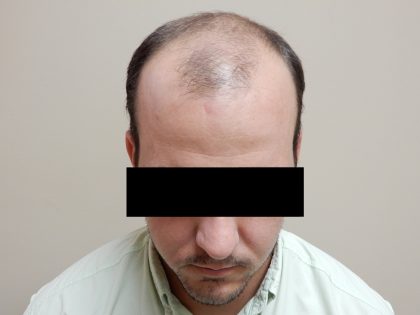
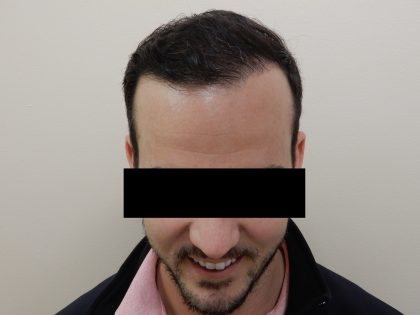
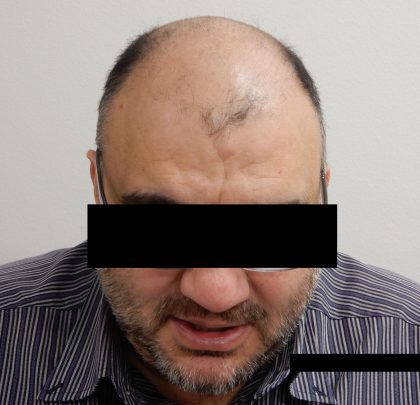
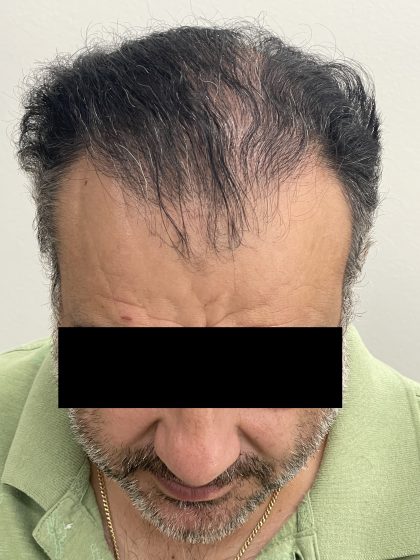
Before and After Photos


About Hair Transplants
Before we delve into recovery details, it may be helpful to review the types of hair transplants we perform.
Hair loss is a common concern that affects both men and women. (1) The most common form of hair loss is androgenic alopecia (AGA), also known as male or female pattern hair loss. (1)A hair transplant is a procedure that extracts healthy hair follicles from one area of the scalp and transplants them into an area of thinning or baldness to achieve new growth. At Premier Hair Restoration, we offer several treatments for hair restoration, including follicular unit extraction and follicular unit transplantation.
About FUE
Follicular unit extraction (FUE) is a minimally invasive hair transplantation procedure that utilizes a punch tool to individually extract hair follicles from the back of the scalp, where the hair follicles are more resistant to hair loss. The hair follicles are then transplanted into other areas of the scalp experiencing thinning or shedding. Once transplanted, they will continue to grow as normal. FUE is ideal for patients who style their hair shorter, as this procedure does not leave any obvious linear scarring on the scalp. (1)
About FUT
Follicular unit transplantation, also known as FUT, is a hair transplantation procedure that can harvest a large number of hair grafts from the scalp at once. This procedure is considered the original hair micro-transplantation technique, and takes a linear strip of tissue containing grafts from the back of the scalp. (2) Dr. O’Dea performs surgical components of the procedure, with trained staff assisting. They carefully remove and separate the follicles from the tissue before they are transplanted into areas of the scalp that have thinning hair or baldness. This technique leaves a linear scar on the back of the head, making it more suitable for patients who wear their hair long.
Recovering From FUE and FUT
After undergoing an FUE procedure, you can expect to be released home the same day. Recovering from FUE is generally shorter than recovering from FUT, but you should still follow any provided post-operative instructions to support healthy growth.
- Prioritize Resting: After your procedure, you should take some time away from work and social commitments to focus on healing. You will be instructed to refrain from engaging in high-impact or physical activities, as well as avoid direct or unprotected sun exposure.
- Avoid Certain Substances: Avoid alcohol, smoking, and blood-thinning medications as directed throughout your recovery, as these can interfere with healing and graft survival. Medications should only be ceased with the approval of your primary care physician.
- Managing Post-Procedure Discomfort: It is common to experience swelling, bruising, or tenderness around your scalp for several days after your procedure. These effects typically subside on their own, but may also be managed using recommended over-the-counter pain medications. (1)
- Be Mindful of Your Grafts: During this time, the transplanted grafts have not yet healed into the incisions and are easy to accidentally remove. To avoid this, Dr. O’Dea recommends resting in a reclined position with the head elevated and avoiding touching the grafts, particularly with any sort of fabric that may adhere to the grafts. You should also refrain from washing your hair for 24-48 hours. After 24-48 hours, you may gently wash your hair using a mild, sulfate-free shampoo, but avoid direct water pressure on the grafts and pat the area dry with a soft towel.
- Expect Scabbing: Once three to four days have passed, the grafts will start to form a crust, making them harder to remove. The formed crust will fall off after approximately seven to ten days. You must not pick or scratch at the crust; allowing it to flake off on its own is important to encourage optimal results.
- Shedding Phase: Two to three weeks after a hair transplant, you will experience shedding of a majority of the transplanted hairs. This is due to the physical stress of the transplant on the grafts themselves and is completely normal. After shedding, the hair follicles will slowly reform, and new hairs will begin to grow, typically around the four to six-month mark.
- Resuming Daily Activities and Follow-Up Care: After approximately ten days to two weeks, you may return to your normal routines as your hair follicles take root and grow. Follow-up appointments will allow Dr. O’Dea to monitor your progress. If you undergo FUT, you will have a linear incision closed with sutures. He will remove these during a follow-up appointment approximately 10–14 days post-procedure.
Results
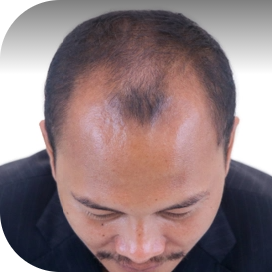
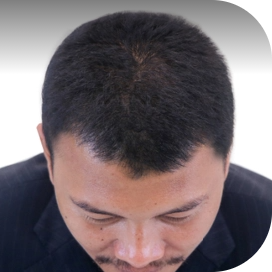
After approximately four to six months, you will begin to see the results of either your FUE or FUT hair transplant emerge. The initial hair growth will appear fine and thin, but will slowly become thicker and denser. The full results can typically be seen around one year after the surgery. Dr. O’Dea, with assistance from trained technicians, matches the placed grafts with the natural growth patterns of your hair during the procedure. The results of hair transplantation are typically long-lasting, although results vary from patient to patient. Once hair grows in, you will be able to wear, style, and cut your hair as you please!
Results vary by patient and cannot be guaranteed.
Personal Consultation

Before undergoing either FUE or FUT hair transplantation, you will need to attend a personal consultation. During this meeting, Dr. O’Dea will discuss the differences between FUE and FUT and what makes each option unique. He will ask about your medical history, concerns, and treatment goals before evaluating the condition and quality of your scalp and hair. The details shared during the consultation will be used to help determine your candidacy for hair transplantation and decide whether FUE or FUT is right for you. Dr. O’Dea will craft your treatment plan, tailoring certain aspects to address each of your concerns. He will also discuss your recovery in great detail, so you know what to expect and how to optimize your results.
Cost of Hair Transplantations in San Antonio
The cost of your hair transplantation will depend on the procedure performed, the size of the treatment area, the number of hair grafts needed, and several other factors. During your consultation, Dr. O’Dea will develop your treatment plan and provide you with a cost estimate.
To discover the cost of your personalized hair transplantation, please schedule a consultation online or by calling (210) 642-2291.
FAQ
How long will the hair transplant recovery process take?
Each individual’s recovery timeline will vary depending on whether an FUE or FUT hair transplant was performed, as well as how large the treatment area was. Most patients can return to work after one to two weeks, but will need to avoid high-impact activities until cleared by Dr. O’Dea.
Will my scalp feel painful after my hair transplant?
You may feel some discomfort or tenderness after your procedure, but these effects are temporary, and Dr. O’Dea may prescribe medications to manage them.
When will I start seeing new hair growth?
You may start noticing new hair growth four to six months after your procedure, with the full results becoming more evident after approximately 12 months.
What are the key things to avoid during my hair transplant recovery?
Some of the key things to avoid during your hair transplant recovery include excessive or unprotected sun exposure, sleeping with your head flat, wearing hats, washing your hair, getting sweaty or dirty, and touching your scalp. You will want to rest and avoid any activities or situations that could involve touching your scalp or getting sweaty or dirty.
Is it normal for my hair to fall out after my hair transplant?
During your initial healing period, it is normal for the grafted hairs to fall out after 2-3 weeks. This is due to the stress of the procedure. The hair will begin to grow after several months and will continue to grow as normal.
How do I know if I should undergo an FUE or FUT hair transplant?
Each patient interested in hair transplantation will need to schedule a personal consultation with Dr. O’Dea before undergoing their procedure. During this consultation, he will evaluate your scalp, symptoms, and medical history to determine which method is best.
All surgical procedures are performed by Dr. O’Dea, with assistance from trained technicians.
References
- Zito PM, Raggio BS. Hair Transplantation. Nih.gov. Published February 12, 2024. https://www.ncbi.nlm.nih.gov/books/NBK547740/#article-22486.s9
- Sharma R, Ranjan A. Follicular Unit Extraction (FUE) Hair Transplant: Curves Ahead. Journal of Maxillofacial & Oral Surgery. 2019;18(4):509-517. doi:https://doi.org/10.1007/s12663-019-01245-6