Eyebrow Transplant
Conveniently located to serve the areas of San Antonio, TX
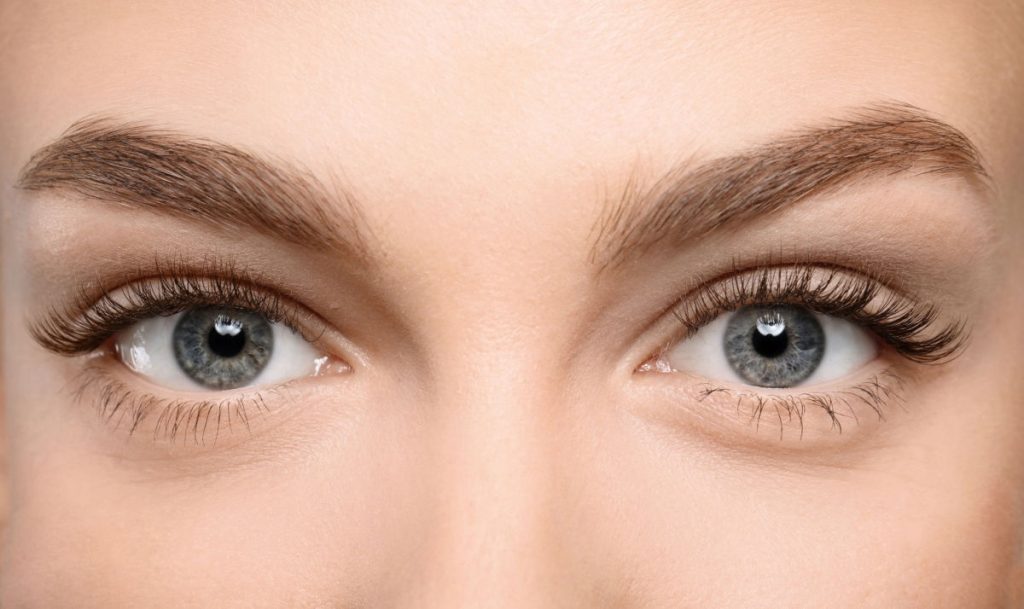
An eyebrow transplant is a treatment that uses your own hair follicles to enhance the appearance of your eyebrows. Your eyebrows are one of your most prominent features, and their appearance can affect your self-esteem. They play an important role in framing your face, expressing emotion, and using non-verbal communication. Thin or absent eyebrows are often very noticeable, and rebuilding them might help you improve your self-confidence.
Eyebrow transplantation is an attractive treatment option for those with thin or missing eyebrows due to plucking, shaving, burns, and/or scars. During an eyebrow transplantation treatment, Dr. O’Dea, with assistance from trained technicians, removes the hair from the back of your head and places it into the eyebrow area. The hair grows naturally, making eyebrow transplantation a potentially long-lasting solution to the problem of thin or missing eyebrows.
Contact our office online or call (210) 642-2291 to learn more about how Dr. O’Dea, with assistance from trained technicians, can perform an eyebrow transplant.
Contents
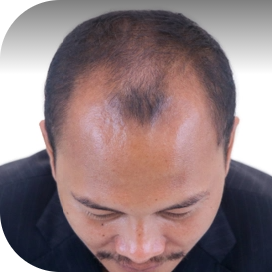
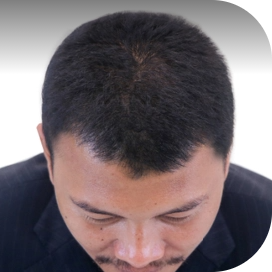
Before and After Photos


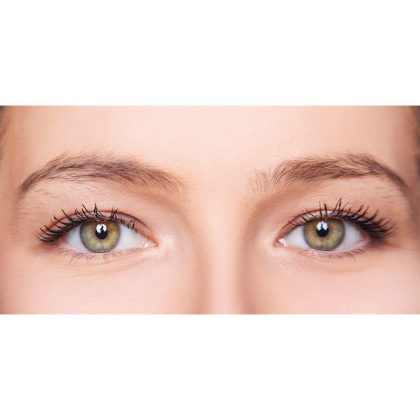
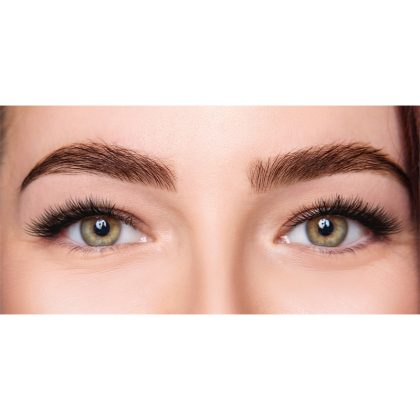
All surgical procedures are performed by Dr. Colin O’Dea with assistance from trained technicians.
About Eyebrow Transplantation
Eyebrow thinning (madarosis) can impact your self-esteem, and in a recent study, approximately 52% of women worried about how others perceived them after they started losing eyebrow hair. (1) Eyebrow transplantation might help you achieve natural-looking results to improve your self-esteem and appearance. During the treatment, Dr. O’Dea, with assistance from trained technicians, will perform follicular unit extraction (FUE), a hair transplant procedure that removes hair follicles individually and preserves the hair follicles in a special solution prior to placing them into the recipient area. Unlike follicular unit transplantation (FUT), an older hair transplantation method that requires an incision, FUE does not lead to the formation of a linear scar.
DHT and Hair Transplantation
The process of eyebrow transplantation involves harvesting hair follicles from the back of your head using the FUE harvesting method, where a rotating or oscillating punch is used to harvest individual hair follicles. Dr. O’Dea, with assistance from trained technicians, usually harvests the hair from the back of the head because these hairs are resistant to DHT, the hormone that causes male pattern baldness. The back of the head is also often the last area to thin, making this the typical ideal area to harvest grafts in men and women.
Dr. O’Dea, with assistance from trained technicians, will take the follicular units, which contain a cluster of hairs, and dissect them into individual hairs that can be transplanted into the eyebrows. This differs from hair transplantation on the scalp, where follicular units are transplanted in their entirety. While the transplantation of entire follicular units behind the hairline on the scalp helps improve hair density, using entire follicular units in more directly visible areas is often much more noticeable than using single hair grafts. For this reason, Dr. O’Dea, with assistance from trained technicians, only uses single hair grafts for eyebrow transplantation. Once transplanted, the hair will grow just like your normal eyebrow hair and can even be trimmed and plucked in the same fashion.
Candidates & Consultation
Patients seeking thicker, more defined eyebrows are typically good candidates for eyebrow transplantation. This often includes people with thin or missing eyebrows due to scars, burns, shaving, and/or plucking. Evaluating the underlying cause of thin or missing eyebrows is crucial for determining whether you are a good candidate. Certain scarring alopecias can also cause eyebrow hair loss, and patients with these conditions may be candidates for eyebrow transplantation after they receive treatment for their alopecia.
If you are considering an eyebrow transplant, Dr. O’Dea will provide a consultation to provide more information and to assess your concerns individually, including evaluating your history of eyebrow hair loss, to provide you with the most effective treatment plan possible.
Preparation
The preparation process for eyebrow transplantation is fairly minimal. The team will provide specific instructions to help you prepare based on your treatment plan. Dr. O’Dea may send prescriptions to your pharmacy of choice so you can pick them up before the procedure. If you are taking medications that could interfere with your treatment, the team will discuss them during your consultation and help you make changes as needed. If you smoke, you must stop temporarily before your treatment to enhance your healing capabilities.
Treatment Process
The process of performing an eyebrow transplantation is similar to that of an FUE hair transplant, just with many fewer grafts. First, Dr. O’Dea will draw out the desired eyebrow shape and location with an erasable grease pencil. He can repeat this process until you are happy with the projected results. Once you are happy with the planned location and shape, he will use a more durable skin marker to outline your eyebrows.
Next, the harvest for donor grafts will begin. Dr. O’Dea, with assistance from trained technicians, will shave a small area in the back of the head where the harvest will take place. In FUE surgery, Dr. O’Dea, with assistance from trained technicians, often shaves the entire back of the head to allow for a typical harvest of up to 2000 – 3000 grafts. For eyebrow transplantation, however, he can shave a much smaller area in a long, narrow strip that can be easily covered by existing hair (for those with long hair).
Dr. O’Dea administers local anesthesia to provide a comfortable procedure. To harvest the grafts, Dr. O’Dea, with assistance from trained technicians, uses the FUE harvesting technique, during which a rotating cylindrical punch is used to harvest individual follicular units. They carefully separate these small groups of hairs into individual hairs under a microscope to create single hair grafts. Following the creation of single hair grafts, they will anesthetize the recipient area and make small incisions for placement of the grafts. This step, along with the initial planning phase, is the most important part of the procedure. Dr. O’Dea, with assistance from trained technicians, takes great care to create natural curves and minor imperfections to provide you with the most authentic-appearing eyebrows possible. This way, once the area has healed, people might be less likely to notice that you’ve had a transplant!
Following the creation of the recipient sites, Dr. O’Dea, with assistance from trained technicians, transplants single hair grafts by hand into the incisions.
Recovery
Following the procedure, you will have some bruising and swelling in the eyebrows that will last for several days. You must protect the transplanted grafts during the first several days, as it is easy to accidentally pull them out within this period. They become much more difficult to accidentally pull out after around three days. Taking good care of your skin, staying hydrated, and avoiding excessive sun exposure are also important for optimal results.
The grafts will form a crust around three to five days after hair transplantation, and that crust will fall off after approximately seven to ten days. Once the crust has fallen off, you can resume all normal activities. There will be some redness that persists afterward, but this will gradually resolve.
Results
After your procedure, you may enjoy thicker eyebrows, though results may vary. Many patients find that their self-esteem improves and they feel more comfortable with their appearance. Addressing changes to your eyebrows can significantly improve your quality of life.
Results are not guaranteed.
Corresponding Procedures
Regenera Activa Treatment
Regenera Activa is a regenerative therapy designed to improve your hair growth with regenerative cells, stem cells, and growth factors. During the treatment, Dr. O’Dea, with assistance from trained technicians, can create a solution from harvested hair follicles to encourage new hair growth. Unlike some other regenerative treatments like platelet-rich plasma, Regenera Activa is specifically designed for hair restoration.
Facial Hair Transplant
A facial hair transplant is a procedure that can help you achieve a fuller mustache, goatee, or beard. Facial hair loss can affect your self-esteem and quality of life. With FUE, Dr. O’Dea, with assistance from trained technicians, may enhance your appearance, and the procedure is customizable.
Female Hair Transplant
A female hair transplant is a procedure that improves hair growth and density. Female hair restoration treatments can address hair loss from genetics, autoimmune conditions, medications, anxiety, menopause, and pregnancy. Female pattern hair loss, a condition that affects approximately 40% of women by the time they turn 30, (2) can result in thin hair, bald patches, and a receding hairline.
Cost of Eyebrow Transplantation in San Antonio
The cost of eyebrow transplants depends on your treatment plan. We can discuss the most effective plan for your needs and provide an all-inclusive quote during your consultation.
Contact our office online or call (210) 642-2291 to learn more about how Dr. O’Dea and trained technicians might enhance your appearance and help you achieve eyebrows that bring you confidence and facial harmony.
FAQ
How long does an eyebrow transplant procedure take?
Typically, the procedure lasts three to five hours, depending on the number of grafts required.
Will the new eyebrow hair grow like regular hair?
Yes, the transplanted hair will continue to grow similarly to the hair in its original location and will require regular grooming.
Can I wear eyebrow makeup following the procedure?
It is advisable to avoid applying any makeup or products on the brow area for two weeks after having an eyebrow transplant.
Are there any side effects to eyebrow transplantation?
Common side effects include swelling, redness, and mild pain in the treated area. The swelling and pain will typically resolve after several days. The redness will gradually resolve over a period of several weeks.
References
- Nguyen B, Hu JK, Tosti A. Eyebrow, and Eyelash Alopecia: A Clinical Review. American Journal of Clinical Dermatology. Published online October 2, 2022. doi:https://doi.org/10.1007/s40257-022-00729-5
- Famenini S, Slaught C, Duan L, Goh C. Demographics of women with female pattern hair loss and the effectiveness of spironolactone therapy. Journal of the American Academy of Dermatology. 2015;73(4):705-706. doi:https://doi.org/10.1016/j.jaad.2015.06.063