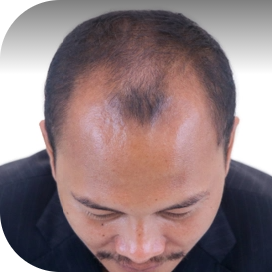
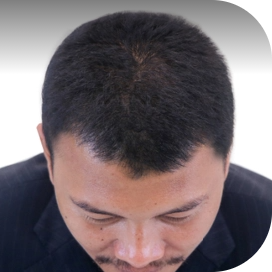
A hair transplant is a procedure that harvests hair follicles from a donor area and places them in areas of thinning hair on the scalp. There are many myths that surround hair transplants, so understanding the difference between myth and fact can guide you through your hair restoration process.
Dr. Colin O’Dea leads Premier Hair Restoration and aims to help you feel like the best version of yourself with personalized care and proven hair restoration methods. If you want to regain your confidence and enjoy your life to the fullest, contact us online or call our office at (210) 642-2291 to schedule your personal consultation.
Contents
- 1 Hair Transplant Myths
- 2 Hair Transplant Facts
- 3 Benefits
- 4 Candidates
- 5 Personal Consultation
- 6 Results
- 7 Cost of Hair Transplants in San Antonio
- 8 FAQ
- 8.1 What are popular myths about a hair transplant?
- 8.2 What are true facts about a hair transplant?
- 8.3 What are the benefits of a hair transplant?
- 8.4 Are the results of a hair transplant permanent?
- 8.5 What are the most popular types of hair transplants?
- 8.6 How can I know which transplant method is better for me?
- 9 References
Hair Transplant Myths
Delivers An “Unnatural” Look
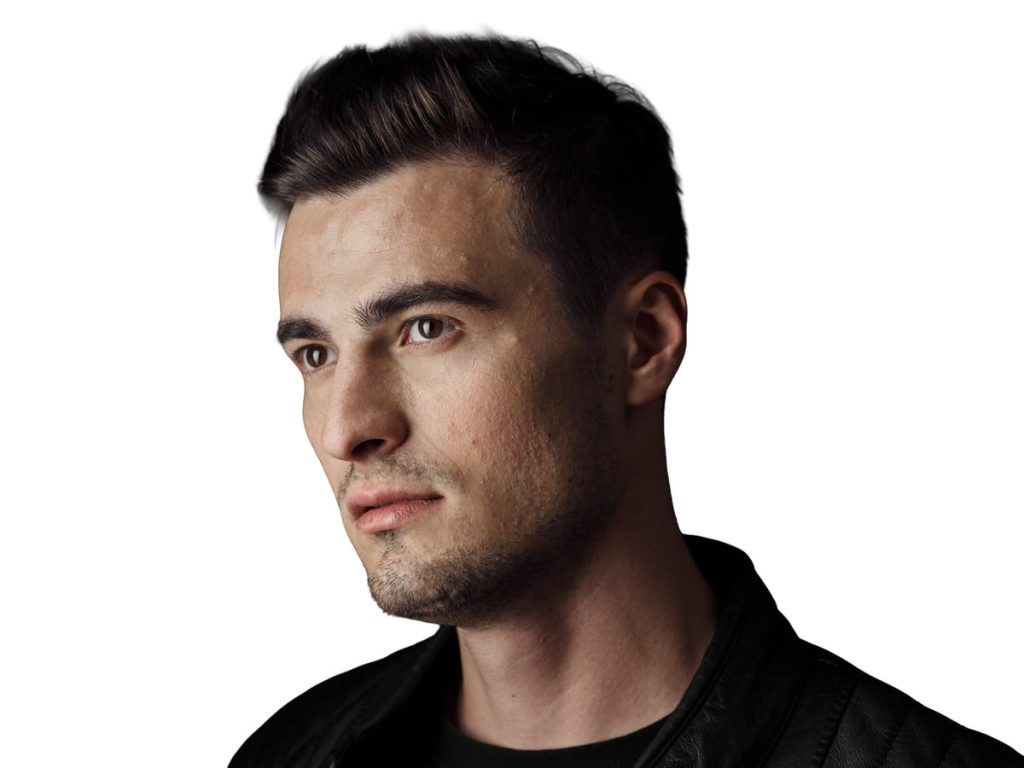
Many patients believe that a hair transplant can leave the new hair follicles looking “fake” or “unnatural” as it tries to blend in with the rest of the hair or look exactly like the original hair strands. Many patients believe this because they assume that, since historical techniques utilized “hair plugs,” poor hair design, and unnatural hair angles, the new techniques will deliver the exact same results as the past. These beliefs stem from the bad historical examples that utilized large punch grafts that created harsh, doll-like clumps of hair and asymmetrical hairlines.
Causes Severe Discomfort
Many patients believe that a hair transplant causes extreme discomfort. They also acknowledge that the head is a very delicate area, and knowing that the incision or grafts are made along the scalp often leads to an overestimation of pain. Many individuals also fear needles, surgical tools, and deep wounds, so they may believe that the procedure will cause severe discomfort and pain that they would not be able to handle. In reality, Dr. O’Dea uses strong numbing medicines that significantly limit the pain associated with the procedure.
Only For Men
Many think that only men experience hair loss and will need a transplant. However, a hair transplant can be ideal for both men and women. Visible marketing, differences in patterned hair loss, and past media contribute to the myth that hair transplants are only for men. Although hair loss in men is a common topic, women often keep their hair loss private. While it is true that hair loss is more common in men, such as receding hairlines or bald spots, women may also struggle with overall thinning across the scalp.
Cannot Wash Or Style New Hair
Many patients fear that they may not be able to wash their hair after a transplant because of direct high-pressure water, harsh shampoos, and early warnings against rubbing. They believe that the scalp should remain completely dry, but in reality, the scalp requires gentle washing after three to four days to remove scabs and prevent infection.
Transplanted Hair Falls Out Permanently
After receiving a hair transplant, it is actually normal for most of the hair follicles to shed, as this releases the old follicles and makes room for the new ones. Shedding happens two to six weeks after a hair transplant, as moving grafts temporarily cut off their nutrient flow, forcing the older hairs to detach. The natural and untouched hair follicles around the transplanted hair can continue to thin from genetic hair loss over time, but this is not a result of a hair transplant.
Hair Transplant Facts
Common Procedure
A hair transplant is one of the most common procedures in the United States. This is true for men and women, with women making up 10-15% of new patients. (1) The two main methods for hair transplants are Follicular Unit Extraction (FUE) and Follicular Unit Transplantation (FUT). An FUE transplant takes out single hairs one by one, and an FUT transplant removes a small skin strip to cut into tiny grafts. A hair transplant is also a permanent solution, and the transplanted hairs remain in place when transplanted from the donor-safe area.
Effective Techniques
A hair transplant utilizes effective techniques to deliver high success rates and permanent, natural-looking results. Dr. O’Dea employs the trusted FUE or FUT techniques, which effectively repopulate balding and thinning areas and leave only small, concealable scars. (2) He carefully selects donor follicles that resist the hormones that drive hair loss and relocates them to areas with good blood supply, matching the natural angle and depth of surrounding hairs.
Slow Hair Regrowth
A hair transplant involves a temporary phase of slow and delayed hair regrowth because of shock loss, resting phases, and graft healing. The initial shedding occurs during weeks two to four as the implanted hairs fall out. After two months, the hair follicles will typically be in their healing phase and not begin to grow out until after four months. You will see full results from your hair transplant after about a year. This is because hair follicles need time to attach to their blood supply and restart their normal growth cycle.
Permanent Results
A hair transplant is the best alternative after experiencing consistent hair thinning and patterned hair loss for men or women. This procedure yields permanent results since the implanted grafts are resistant to DHT, the hormone that drives hair loss. Once the donor follicles are implanted in their new location, they will grow just like normal hair.
Benefits
Hair transplants bring many life-changing benefits that can increase your self-esteem and improve your quality of life through a drastic transformation. Notable outcomes include:
- Permanent results and lasting growth
- Natural-looking results
- Low maintenance care
- Confidence and social comfort
- Improved density
Candidates
If you are currently experiencing patterned hair loss or hair thinning, have low self-esteem, and have sufficient donor hair, you may be an ideal candidate for a hair transplant. You must have thick and healthy hair in the back and sides of your scalp, be in good general health (free of active scalp conditions), and hold realistic expectations for your results. Ideally, you should also be a non-smoker or willing to quit.
Personal Consultation
During your personal consultation, Dr. O’Dea will review your medical history and examine your hair loss/thinning patterns. A thorough, comprehensive review of hair loss patterns and scalp health allows him to recommend the best treatment plan for your concerns. After gathering the necessary information, he will create a personalized treatment plan that will address your hair concerns and deliver thick, beautiful new growth.
Contact us online or call our office at (210) 642-2291 to schedule your personal consultation and explore your hair transplant options.
Results
Although there are many myths about hair transplants, the facts are that this procedure can deliver permanent and natural-looking results that can drastically increase your self-esteem. By undergoing an FUT or FUE transplant, areas that were once thinning, shedding, or balding will now showcase full, dense new growth. And, because these transplanted hairs resist DHT, they will remain in place long-term.
Cost of Hair Transplants in San Antonio
The total cost of your hair transplant will vary depending on the severity of your hair loss patterns, the surgical techniques Dr. O’Dea will utilize, and your overall hair restoration goals. Dr. O’Dea will provide you with a detailed cost outline during your personal consultation. Contact us online or call our office at (210) 642-2291 to schedule yours today!
FAQ
What are popular myths about a hair transplant?
Many individuals believe that a hair transplant does not deliver permanent results, that it is only for men, causes severe discomfort, and does not deliver natural-looking results. However, these are common misconceptions, and hair transplants have evolved into sophisticated, successful procedures. A consultation with Dr. O’Dea can clear all worries and misconceptions and allow you to proceed with confidence.
What are true facts about a hair transplant?
A hair transplant does deliver permanent and natural-looking results and is a procedure that is ideal for both men and women, and although the regrowth from the procedure takes time, the results are beautifying and can boost your self-confidence.
What are the benefits of a hair transplant?
A hair transplant can boost your self-esteem, deliver permanent and long-lasting results, increase your hair density, and result in a natural-looking appearance without making the transplanted follicles look fake or unnatural.
Are the results of a hair transplant permanent?
Yes, the results of your hair transplant are natural and can last a lifetime.
What are the most popular types of hair transplants?
The most common hair transplant types are FUE and FUT. An FUE transplant requires a one-by-one extraction technique that leaves small and dot-like scars, while an FUT transplant cuts a thin strip of skin with hair from the back or sides of the head and leaves a single and fine linear scar.
How can I know which transplant method is better for me?
Several variables influence the selection of FUE vs. FUT, including hair loss severity, preference for wearing hair long or short, and more. The best way to explore which is better is through a consultation with Dr. O’Dea.
References
- Al-Khair YM. Hair transplantation. Saudi medical journal. 2000;21(9):821-825. Accessed August 4, 2026. https://pubmed.ncbi.nlm.nih.gov/11376357/
- Garg AK, Garg S. Complications of Hair Transplant Procedures—Causes and Management. Indian Journal of Plastic Surgery. 2021;54(04):477-482. doi:10.1055/s-0041-1739255