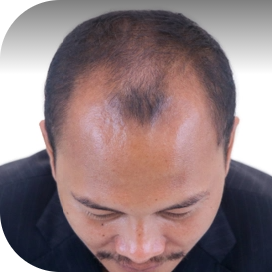
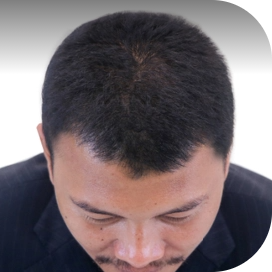

For many women, a beautiful head of hair is a source of pride. Unfortunately, factors such as genetics, hormones, inflammation, and environmental forces can rob some women of their hair and confidence. While hair loss is less commonly associated with women than men, it is actually very common. (1) Losing it can have a profound impact on a woman’s self-esteem and mental well-being, often leading them to seek effective, long-lasting restoration solutions.
At Premier Hair Restoration, Dr. Colin O’Dea specializes in a range of customizable solutions to help restore women’s hair and confidence.
If you are ready to explore hair restoration, call (210) 642-2291 or submit our online contact form to schedule a personal consultation with Dr. O’Dea.
Contents
About Hair Transplants for Women
Hair transplantation has emerged as a highly effective and reliable option for many women seeking to reverse the effects of hair loss and reclaim their confidence. A hair transplant is a surgical procedure that moves healthy hair follicles from a donor site (typically the back of the scalp, where the hair is resistant to balding hormones) to the thinning or balding areas. (2) For women, the procedure focuses on replenishing hair density, lowering the hair line, or correcting hair loss from trauma or previous cosmetic procedures.
Causes of Hair Loss in Women
While less prevalent than male pattern baldness, female pattern hair loss (FPHL), also known as androgenetic alopecia, is the most common cause of hair loss in women. (3) Unlike men, who typically present with bald spots or receding hairlines, women with FPHL show a diffuse thinning over the top and crown of the scalp, often starting with a widening part. While male hair loss typically stems from genetics, the causes of hair loss in women are much more varied:
- Hormonal Changes: Significant hormonal shifts, such as those that occur during menopause, after childbirth, or due to conditions like polycystic ovary syndrome (PCOS), can trigger hair loss.
- Medical Conditions: Thyroid issues, autoimmune diseases (including Alopecia Areata), and various infections can lead to hair loss.
- Nutritional Deficiencies: A lack of essential vitamins and minerals, especially iron, zinc, vitamins B and D, can impair hair growth.
- Telogen Effluvium: Severe physical or emotional distress, major surgery, or rapid weight loss can cause a significant number of hair follicles to enter the resting phase, leading to noticeable shedding later on.
- Traction Alopecia: This hair loss emerges from constant, excessive pulling on the hair follicles from tight hairstyles like braids or hair extensions.
- Medications: Certain medications that treat depression, high blood pressure, and other chronic illnesses can lead to temporary or permanent hair loss.
A thorough diagnosis is essential before considering a transplant. In some cases, such as active telogen effluvium or hair loss due to an underlying medical issue, Dr. O’Dea may postpone a transplant to first address the root cause.
Confidence and Hair Restoration
Hair is intrinsically linked to femininity, youth, and overall attractiveness in many cultures. The psychological impact of hair loss on women is often more severe than on men because hair loss is less socially acceptable for women. Studies show that women with hair loss experience higher rates of anxiety, depression, and social avoidance. (4) Hair restoration is not just a physical procedure; it can be a powerful tool for psychological transformation.
The primary technique Dr. O’Dea uses when performing female hair transplantation is Follicular Unit Transplantation (FUT), a method that minimizes hair shaving. With FUT, Dr. O’Dea surgically removes a strip of scalp from the back of the head and closes the donor area with minimal tension to create the narrowest scar possible. Dr. O’Dea then places the grafts into the designated locations to create natural-looking fullness and shape. These grafts, or follicular units, are hair follicles that share blood vessels, nerves, glands, and muscles, averaging 2-3 hairs per unit. The FUT method often allows for more grafts, allowing for more hair to be restored in a single session.
Benefits
Dr. O’Dea and his team approach every procedure with the understanding that they are doing more than simply moving hair. Some benefits of undergoing female hair transplantation at Premier Hair Restoration include:
- Long-Lasting Results: The transplanted hair follicles are genetically resistant to the hormones that cause pattern baldness, meaning that once in place, they can continue to grow for a lifetime.
- Natural Appearance: Dr. O’Dea’s methodical technique ensures that the transplanted hair blends seamlessly with the existing hair, following natural growth patterns and angles.
- Minimally Invasive: Dr. O’Dea performs FUT as an outpatient procedure requiring only local anesthesia. Recovery time is typically short, allowing patients to return to their normal routines quickly.
- Targeted Density: Dr. O’Dea can strategically place grafts to increase hair density in the most critical areas, providing maximum aesthetic impact.
Candidates
Not all women suffering from hair loss are ideal candidates for hair transplantation. Dr. O’Dea may advise women with underlying medical conditions to explore non-surgical treatment options first. Potential candidates for hair transplantation typically meet one or more of the following criteria:
- Distinct Pattern of Balding: Women with traction alopecia, a receding hairline, or a clear area of thinning.
- Hair Loss Due to Trauma: Women who have lost hair due to burns, scars, or injury.
- Non-Hormonal Hair Loss: Women whose hair loss is not a result of active, ongoing conditions like telogen effluvium or underlying medical issues.
- Good Donor Hair: A sufficient amount of stable, healthy hair on the back and sides of the scalp (the donor area) is essential for successful transplantation. The donor hair must be dense enough to allow harvesting without excessively thinning the donor area.
- Women with Previous Cosmetic Surgery: Those seeking to correct a high hairline or cover a scar from a surgical procedure such as a facelift or brow lift.
Personal Consultation
The first essential step in your hair restoration journey will be your personal consultation with Dr. O’Dea. Here, he will conduct a thorough assessment of your medical history, including genetic factors, and examine your scalp to determine the type and extent of hair loss. He may order blood tests to check for hormonal imbalances, nutritional deficiencies, thyroid levels, and other potential factors. Dr. O’Dea will evaluate the quality, density, and elasticity of your donor area hair to confirm your candidacy for FUT. After discussing potential outcomes, you will work with Dr. O’Dea to design a hairline and density pattern that is natural-looking and achievable. He will walk you through each step of the procedure and recovery process, and create a personalized treatment plan that aligns with your goals. To schedule your personal consultation with Dr. O’Dea, call (210) 642-2291 or submit our online contact form.
Results
The results of hair transplantation can transcend beyond cosmetic improvements. Reclaiming a full, natural-looking head of hair can directly boost a woman’s confidence in her appearance. As the visible evidence of hair loss diminishes, so does the stress and anxiety that went along with it. Women feel more comfortable engaging in social and professional activities without self-consciousness. All in all, hair transplantation allows women to move through life with more self-assurance and an overall sense of well-being.
Cost of Hair Transplants for Women in San Antonio
The cost of hair transplants can vary depending on several factors, including the complexity of the procedure and the number of hair grafts. During your consultation, Dr. O’Dea will provide you with a comprehensive cost estimate that correlates to your personalized treatment plan. To get started, call Premier Hair Restoration’s San Antonio office at (210) 642-2291 or contact us online.
FAQ
Is hair transplantation painful?
Dr. O’Dea performs the procedure with patients under local anesthesia for your comfort. Some patients report minor discomfort, aching, or tightness in the donor area for a few days afterward, which is easily manageable with prescribed or over-the-counter pain medication.
How long does it take for the final results to develop after my hair transplant?
While new hair growth begins around 3-4 months, it takes 12 to 18 months for the transplanted hair to fully mature, thicken, and blend seamlessly with your existing hair to reveal the final result.
Will hair from the donor area grow back?
No, which is why you must work with a skillful surgeon like Dr. O’Dea, who is careful about selecting grafts from areas that can be seamlessly concealed.
Are hair transplant results permanent?
Transplanted hair follicles generally maintain long-term growth because they retain the characteristics of the donor region. These hairs are less likely to stop growing or shed.
References
- Malta M Jr, Corso G. Understanding the Association Between Mental Health and Hair Loss. Cureus. 2025 May 25;17(5):e84777. https://pmc.ncbi.nlm.nih.gov/articles/PMC12186756/
- Goldin J, Zito PM, Raggio BS. Hair Transplantation. [Updated 2025 Aug 2]. In: StatPearls [Internet]. Treasure Island (FL): StatPearls Publishing; 2026 Jan-. https://www.ncbi.nlm.nih.gov/books/NBK547740/
- Fabbrocini G, Cantelli M, Masarà A, Annunziata MC, Marasca C, Cacciapuoti S. Female pattern hair loss: A clinical, pathophysiologic, and therapeutic review. Int J Womens Dermatol. 2018 Jun 19;4(4):203-211. https://pmc.ncbi.nlm.nih.gov/articles/PMC6322157/
- Hwang HW, Ryou S, Jeong JH, Lee JW, Lee KJ, Lee SB, Shin HT, Byun JW, Shin J, Choi GS. The Quality of Life and Psychosocial Impact on Female Pattern Hair Loss. Ann Dermatol. 2024 Feb;36(1):44-52. https://pmc.ncbi.nlm.nih.gov/articles/PMC10861302/